
Solar Update!
Tired of scams and misinformation? Check out my my newsletter for the latest solar facts.

Maine joins seven states legalizing “Plug in” Solar

“Plug in solar” and “balcony solar” refer to small solar panels that can be plugged into a standard outlet and can provide electricity directly to a home or business with no connection to the electric grid. Sometimes several units can be strung together. And some units come with battery storage.
Plug in solar is ideal for renters, people without a roof suitable for solar, or people who don’t plan to stay in their home long enough to see a rooftop array pay for itself.
Plug in solar is a breakthrough because it can save users money without the need for subsidies, permits, or utility permission.
In July, Maine became the eighth state to legalize “plug in solar”. Thirty-five other states are considering legislation to pave the way for these portable solar units.
This makes sense. Legislators on both sides of the aisle are eager to provide constituents with relief from high energy bills.
In Maine, thanks to sponsors Senator Nicole Grohoski and Representative Gary Friedman, a plug-in solar bill was passed by the legislature and signed into law by Governor Mills. The law defines and legalizes plug in solar. It took effect on July 6th. But Maine consumers cannot install plug in solar until these units are certified—like other household appliances.
Manufacturers have applied for certification, and the certification process should be completed by the end of the year. Prices now range from $500-$5,000 and are expected to fall once the units become widely available.
Wonderful as they are, plug in solar systems are small and only offer supplemental power. Maine and most other states limit them to 1200 watts, which is about enough electricity to run a dishwasher. Homeowners and renters with plug in solar can expect to save a maximum of 15-20% a year on their electric bill.
Here’s plug in solar fact sheet from my colleagues at A Climate to Thrive: CLICK
Home Solar Systems Update
As most of you know, federal solar tax credits were repealed by Trump’s “One Big Beautiful Bill” and expired December 31, 2025. Some states like New York and Massachusetts offer state tax credits, and other incentives like sales and property tax exemptions. Maine does not offer these. Click HERE for a list incentives in other states.
Even without tax credits, home based systems can make sense financially. This is because of “net metering”, which is the ability to bank credits for excess power generated on sunny days and use them later when needed. Net metering has been in place for over a decade in Maine and while the rules are changing for solar farms, they will remain in place for home systems.
The cost and payback period for a home system will depend on the size and location of the array, your energy consumption, and loan terms. The upfront cost ranges from $15-25k for most home installations. The payback period is typically 8-12 years.
Solar installers offer calculators on their websites so you can make a quick cost estimate. If you are making a serious inquiry, your solar installer should provide you with a full cost-benefit analysis based on the specifics of your installation. For a list of solar installers in Maine CLICK.
Solar Farm Update
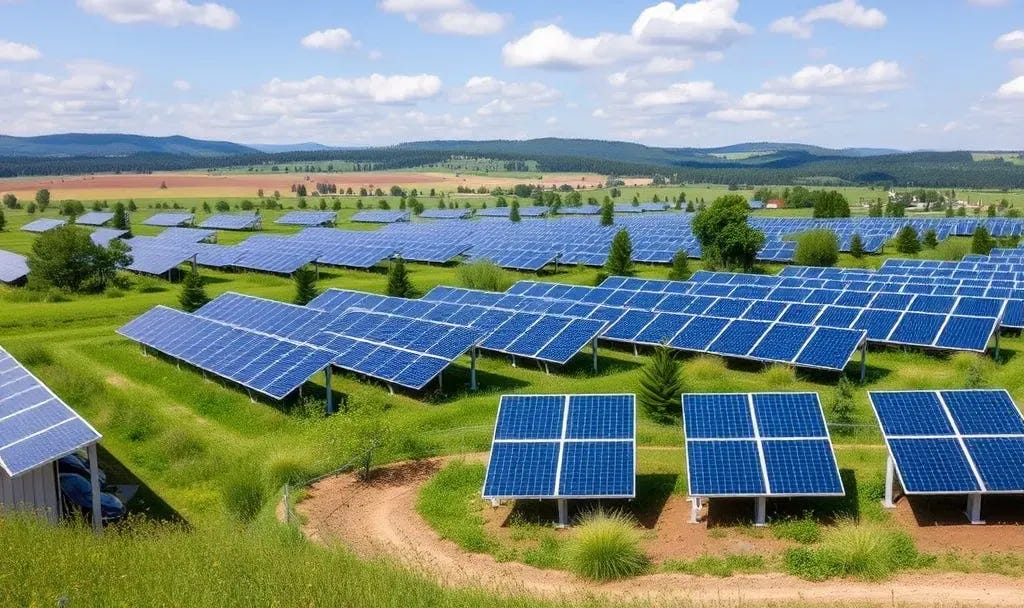
Another way to go solar is to join a “solar farm”. These offer homes and businesses a way to participate in solar energy through offsite arrays. There are two different types of solar farms:
1. Community owned solar farms are owned locally---by individuals or community groups. In this model, you become an investor/owner in the solar farm and must make an upfront payment and/or take out a loan to build the system. The cost can be high, but if you plan to use the system for more than 10 years, you can pay off the initial investment and enjoy free electricity until the panels need to be replaced, in about twenty years. Check with local solar suppliers for the latest information on solar farms for your group, town or congregation.
The Maine Community Power Cooperative (MCPC) has initiated a cooperative ownership model with the goal of making local ownership shares in a solar farm affordable. The MCPC has sold out its first two solar farms and plans to build more. Learn more and sign up for the wait list HERE.
2. Investor-owned solar farms operate differently. They offer “subscriptions”, meaning that you sign an agreement purchase a portion of the electricity generated, but have no ownership in the farm. Typically, owners of these solar farms offer a savings of up to 15% off your electric bill as an incentive to join.
Investor-owned solar farms are legitimate and legal. But before you join one, there are things you need to know. One is that these companies often sell subscriptions to raise money prior to building their solar arrays. This can lead to delays—in permitting and in getting completed projects connected to the grid. The wait can be months or sometimes years. It’s always better to buy a subscription to a solar farm that is currently operating or will be soon. You can ask to see photos of the project or even schedule a site visit to learn more.
To avoid problems, you must read the fine print and ask questions prior to signing an agreement with a solar farm. Here are a few questions to ask: Can I adjust my subscription amount if it doesn’t meet my needs? What happens if I move? Can I cancel or sell my subscription? Is there a customer service desk that can answer my questions?
A recent Maine law requires the Public Utilities Commission to write new rules for solar farms in Maine. The new rules will significantly change the incentives and impact solar farm development in the future. The new rules are due in September. When they are released, I’ll provide an update!
For more info on community solar CLICK
Good News for Leasing and Power Purchase Agreements
Leasing, third party ownership and power purchase agreements are based on the idea that a leasing company or solar installer owns the system on your property. As owners they can claim the tax credits and pass along the savings to homeowners or institutions like churches and schools. Federal tax credits for these will remain in effect until December 31, 2027.
The beauty of these agreements is that solar systems can be installed with reduced payments or in some cases, no upfront cost. As with all financing deals, you need to read the fine print and make sure the deal benefits you, not just the installer or financing organization. Larger solar installers can provide more information.
Clean Energy Scams—-on the Rise!
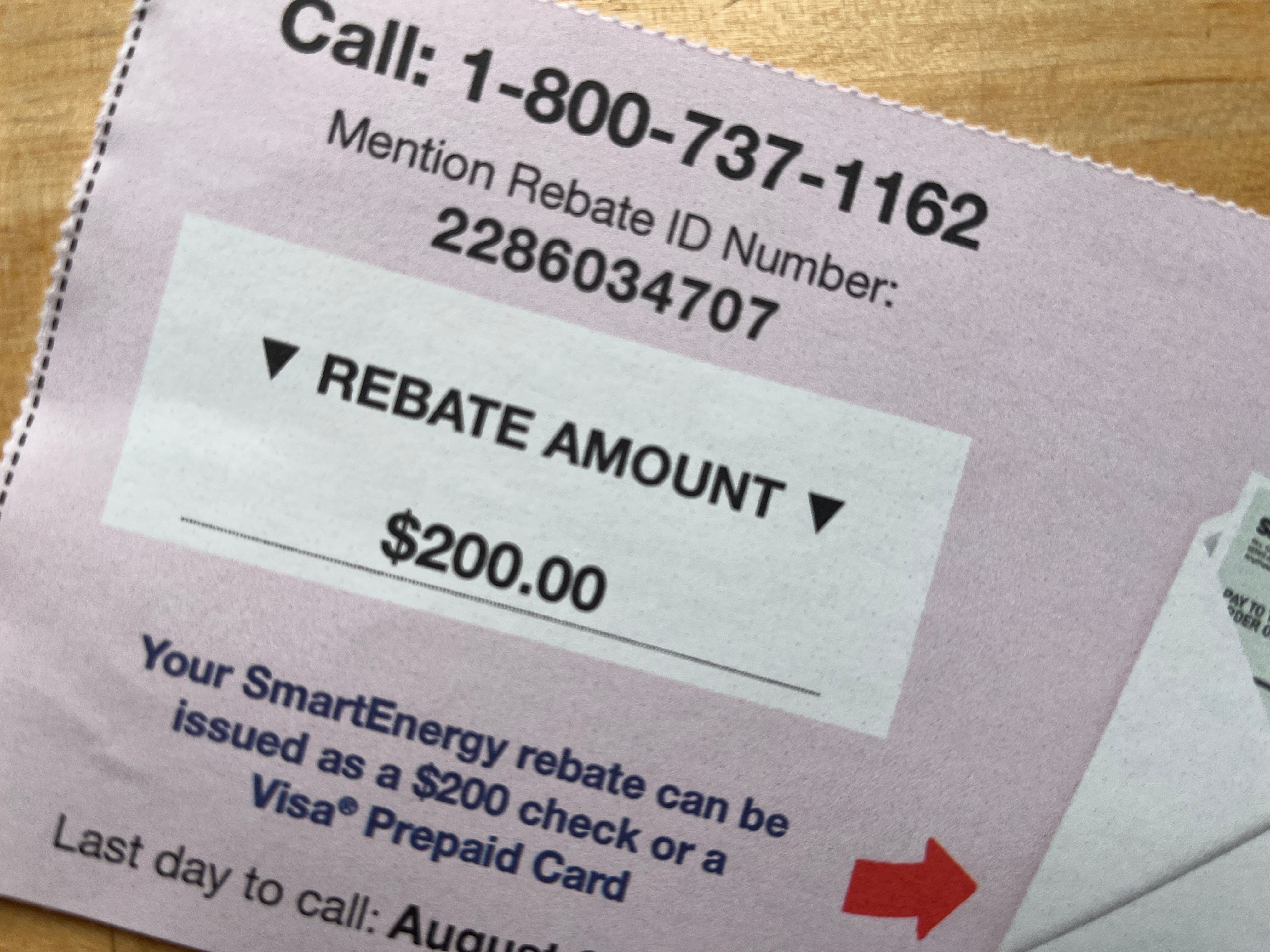
Have you been getting clean energy offers in the mail lately? Two recent ones I’ve received are “CleanChoice” and “SmartEnergy”. I checked these out and here’s what I found:
These companies are registered third party electricity suppliers. Some customers are happy with them.
But they use aggressive and misleading tactics. They mail advertisements that look like offers from your electric utility. These mailers (or phone solicitations) offer refunds, rebates and contests to trick you into changing your power supplier.
If you go to their websites, you’ll find smiling people and glowing testimonials. What their websites don’t tell you is that there are multiple class action lawsuits against them.
These companies tend to charge higher rates than standard utilities. In some cases, much higher rates. Any rebate or refund will be more than paid for by higher rates. One company promised to set rates based on variable market factors and then set an above-market fixed rate to maximize profits.
A major complaint is misrepresentation of “renewable” and “clean” energy. These companies supply fossil fuel “brown energy” to their customers and then buy cheap Renewable Energy Certificates (RECs) to offset the emissions. This is what they call “clean energy” !!
CleanChoice claims to be investing in renewable energy, but after much searching, I could find just one small solar array in Pennsylvania that they funded. They appear to be purchasing energy on the spot market and investing little in renewables.
There are multiple class action lawsuits against these companies. Common complaints include deceptive marketing, price gouging, and misrepresenting energy sources. Several suits have settled---all in favor of the plaintiffs.
If you see made-up words like “SmartEnergy” and “CleanChoice” they should now look like waving red flags!

\
Thank you for reading!
Coming next: Getting the toxics out of your kitchen

Sue, message from Fortunat Mueller about how to continue to access the ITC for residential solar:
Fortunat Mueller
Chief Executive Officer | Employee-Owner
P.E.
Direct: 207.752.6358
ReVision Energy, a Certified B Corp
Locations in Maine, New Hampshire & Massachusetts
If you know someone who wants to save money and take control of their electric future with solar, batteries, or heat pumps, here’s the quickest way to help them get started: Share the Sun
From: ReVision Energy <hello@revisionenergy.com>
Sent: Monday, June 8, 2026 11:00 AM
To: Fortunat Mueller <fortunat@revisionenergy.com>
Subject: So what's the deal with all these new financing programs?
There is now a way for everyone to go solar.
We know - you've gotten a lot of emails from us this spring announcing new offerings. We're just excited because more people can now access the benefits of solar energy. But how do all of these financing programs work, and which one is right for you? Let's dive in.
Learn About Solar Financing Options
PowerPath: Own Your System After 5 Years
ReVision's own prepaid lease option lets you save 20-30% on your solar system, immediately. Unlike traditional financiers, Amicus ReVision Impact is a 100% member-owned public benefit corporation. We created this product so more homeowners could afford to go solar and take control of future electricity needs. As a program built by a cooperative specifically to support the growth of solar (not to generate profits for third party financiers), it has fewer fees and fewer complications than any other in the market.
Lease: 0 Money Down, 0 Electric Bill Surprises
Ideal for people who prefer no upfront cost, ReVision Energy’s new residential solar lease is a maintenance‑free way to protect your household from rising utility costs.
Loan: Own your system while trading your monthly electric bill for a monthly loan payment.
A solar loan enables you to finance solar plus its complementary technologies – batteries, heat pumps, water heaters, electric vehicle chargers – all for an affordable monthly payment with no upfront cost. Similar to any other home related loan, solar loans enable a homeowner to finance a solar project by borrowing money from a lender.
Cash: Fast, Straightforward Savings
The most straightforward option, a cash payment offers extremely strong returns. It also offers the most flexibility in terms of equipment choice (panel manufacturer, inverter brand, etc.) All incentives and electric bill savings are yours, from day 1. It's that simple.
As an employee‑owned B Corp, we take pride in delivering solutions that put people first. Our financing options reflect our commitment to transparency, long‑term value, and our mission to build a just and equitable electric future for all New Englanders.
ReVision Energy, 758 Westbrook St, South Portland, Maine 04106, 207-221-6342